Performance Marketing
PPC and digital marketing campaigns built to turn qualified traffic into paying customers, judged on return on ad spend and revenue, not clicks.

The Approach
Traffic only matters when it turns into revenue. Performance marketing is built around that: campaigns aimed at qualified buyers, measured against what they actually return.
PPC and digital marketing are planned alongside SEO and the site itself, so paid media fills gaps instead of buying traffic the store already earns.
And some businesses cannot advertise freely at all. For clients in restricted categories, the same thinking goes into organic search instead, which is how stores shut out of paid ads have still grown.

What It Covers
Paid Search
Search campaigns aimed at buyers who are ready to purchase, not just curious.
Shopping & Product Feeds
Clean, complete product feeds, because feed quality decides which products show and at what cost.
Campaign Measurement
Conversion tracking that ties spend to revenue rather than to clicks.
Landing Experience
Making sure paid traffic lands on pages built to convert, with design and development on the same team.
Remarketing
Bringing back shoppers who showed real intent, without chasing everyone who ever visited.
Ongoing Optimization
Budgets, bids, audiences and search terms adjusted as the results come in.
How Paid Media Should Work
Revenue, Not Clicks
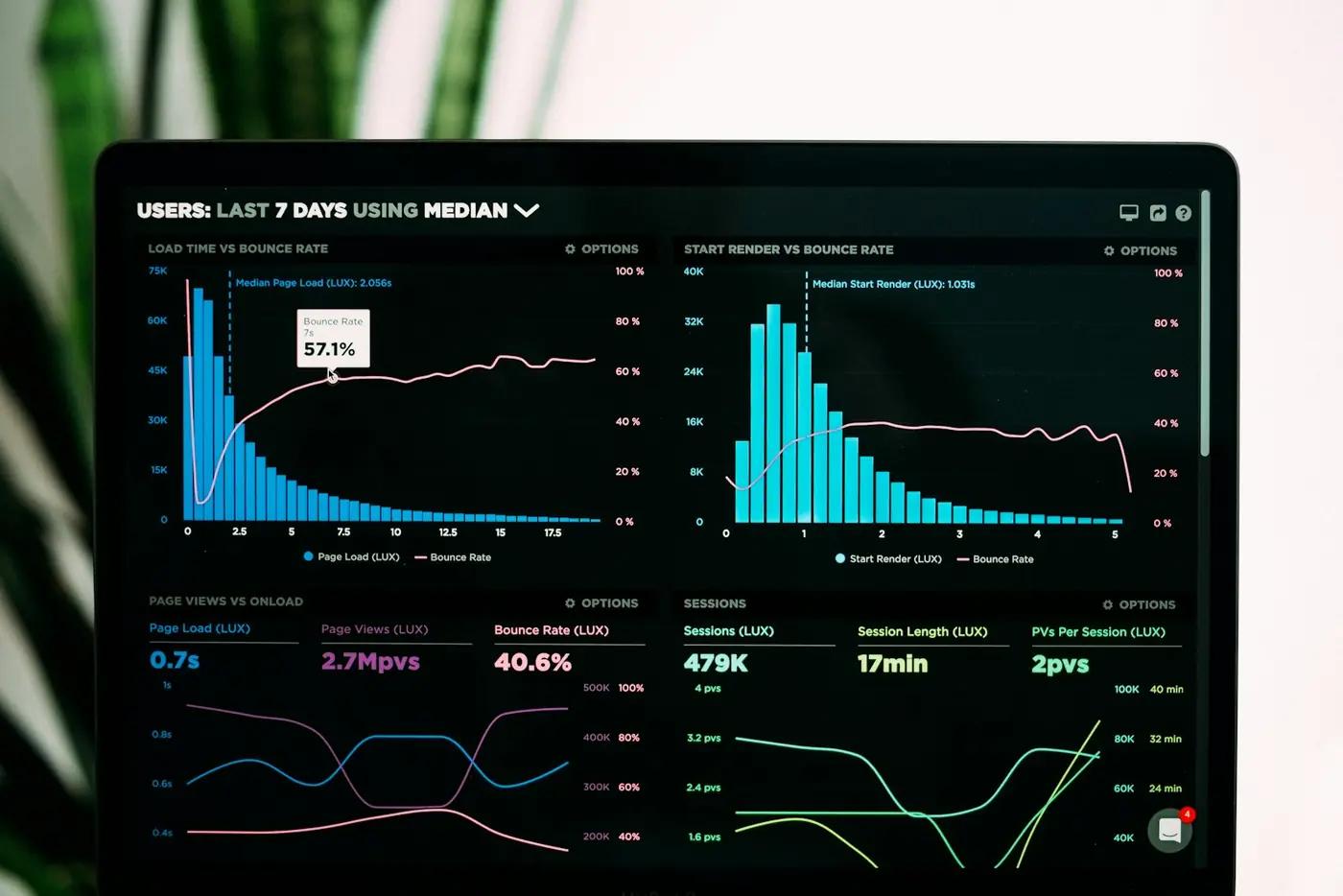
A campaign report full of impressions and click-through rates can look great while the business loses money. Before spending, we make sure conversions, revenue and return on ad spend are tracked properly, so every decision is made on what the campaign actually earns.
That also means being honest about what the reports miss. I wrote about how AI search traffic hides in GA4 and how to measure it.
Paid And Organic, Planned Together
Paying for clicks on searches you already rank for is one of the most common ways ad budgets leak. When paid media and SEO sit with the same team, the budget goes where organic search cannot reach yet: new products, competitive terms and seasonal pushes.
Search term data from the ads feeds the SEO plan, and organic wins free up budget for the next opportunity.

When Ads Are Not An Option
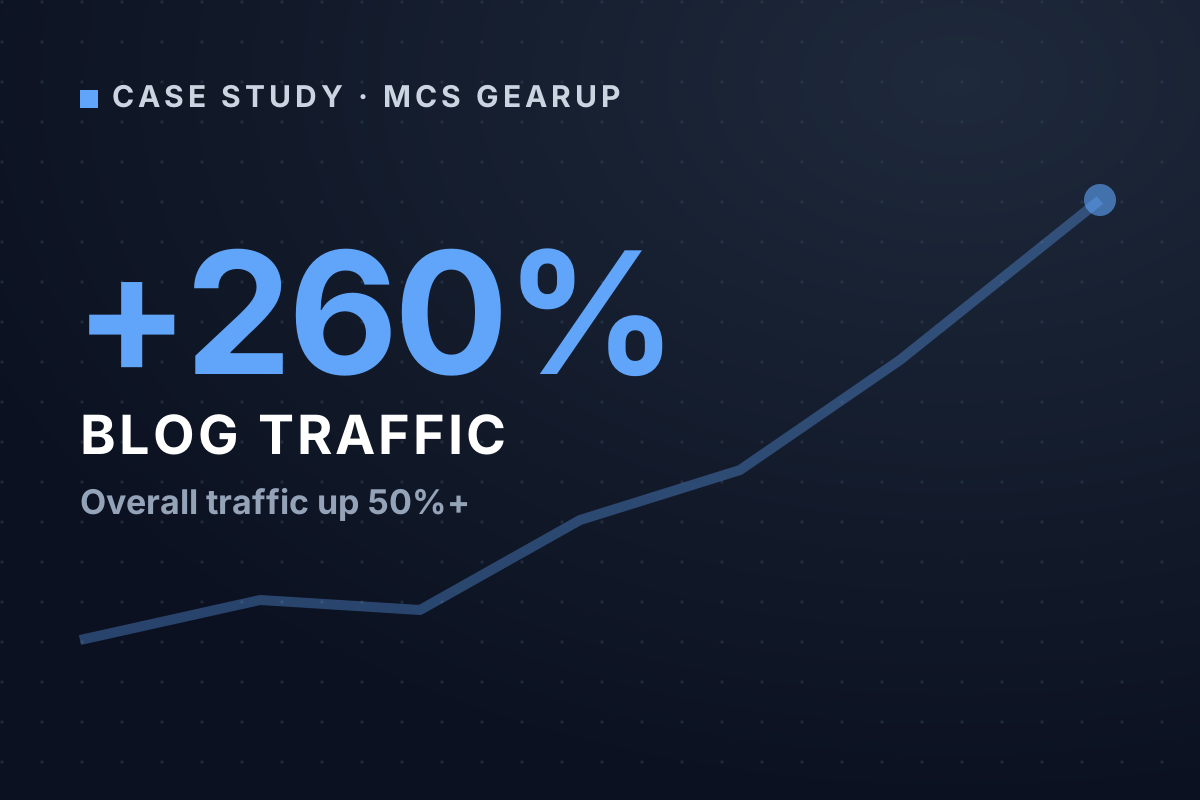
Some categories are restricted or barred from advertising. MCS Gearup was shut out of paid ads, and SEO lifted overall traffic more than 50% and blog traffic more than 260%. Read the case study.
A gun parts retailer barred from PPC reached page one with content-led SEO, with organic traffic still up nearly 20% five years in. Read the case study.
How A Campaign Runs
Tracking comes before spending. A campaign you cannot measure is a campaign you cannot improve.
- Step 1
Audit
Current accounts, tracking, product feeds and landing pages reviewed, with the wasted spend identified first.
- Step 2
Structure
Campaigns organized around products, margins and buyer intent, with conversion tracking verified.
- Step 3
Launch
Campaigns go live with clear targets for cost per acquisition and return on ad spend.
- Step 4
Optimize
Weekly adjustments to bids, budgets, audiences and search terms, and regular reporting on revenue.
Common Questions
How much should we spend on ads?
How quickly will we see results?
Should we invest in SEO or PPC?
What if our products are restricted on ad platforms?
How do you report on performance?
Related Expertise
Ready To Scale?
Whether you need an enterprise eCommerce overhaul or a managed AI website for your business, let's build something that drives revenue.