Custom Development
New Shopify launches, enterprise BigCommerce and WooCommerce builds, and the complex migrations and integrations that keep a growing store running.

The Approach
Platforms do most things well out of the box. The work that matters usually sits in the gaps: the integration with the ERP, the custom checkout rule, the migration that has to keep years of URLs and data intact.
Custom development covers new builds, platform migrations and the integrations that connect a store to the rest of the business, on Shopify, BigCommerce, WooCommerce and Magento.
My own career started in code: Visual Basic at GMAC Mortgage, then SAP programming at Intel. Connecting a business system to everything around it is the kind of problem I have worked on since before most online stores existed.

What It Covers
New Store Launches
From launching new Shopify brands to building out a first serious storefront on the right platform.
Enterprise Scaling
Development for BigCommerce, WooCommerce and Magento stores that have outgrown their setup.
Platform Migrations
Moving products, customers, orders and URLs safely, with redirects and search rankings protected.
Integrations
Connections between the store and the ERP, inventory, shipping, accounting and marketing systems behind it.
Custom Features
Checkout rules, B2B pricing, product configurators and the apps a platform does not offer.
Speed & Support
Performance tuning, updates and fixes after launch, so the store keeps working as it grows.
Where Development Earns Its Keep
Moving Platforms Without Losing What You Earned
A store migration moves far more than products. Customer accounts, order history, reviews, images, URLs and years of search rankings all have to arrive intact, and the store usually has to keep selling while it happens.
A Specialty Box, a specialty packaging brand, came to us for migration, design, development and SEO together, so nothing fell between vendors. See the project.
Where Stores Actually Break
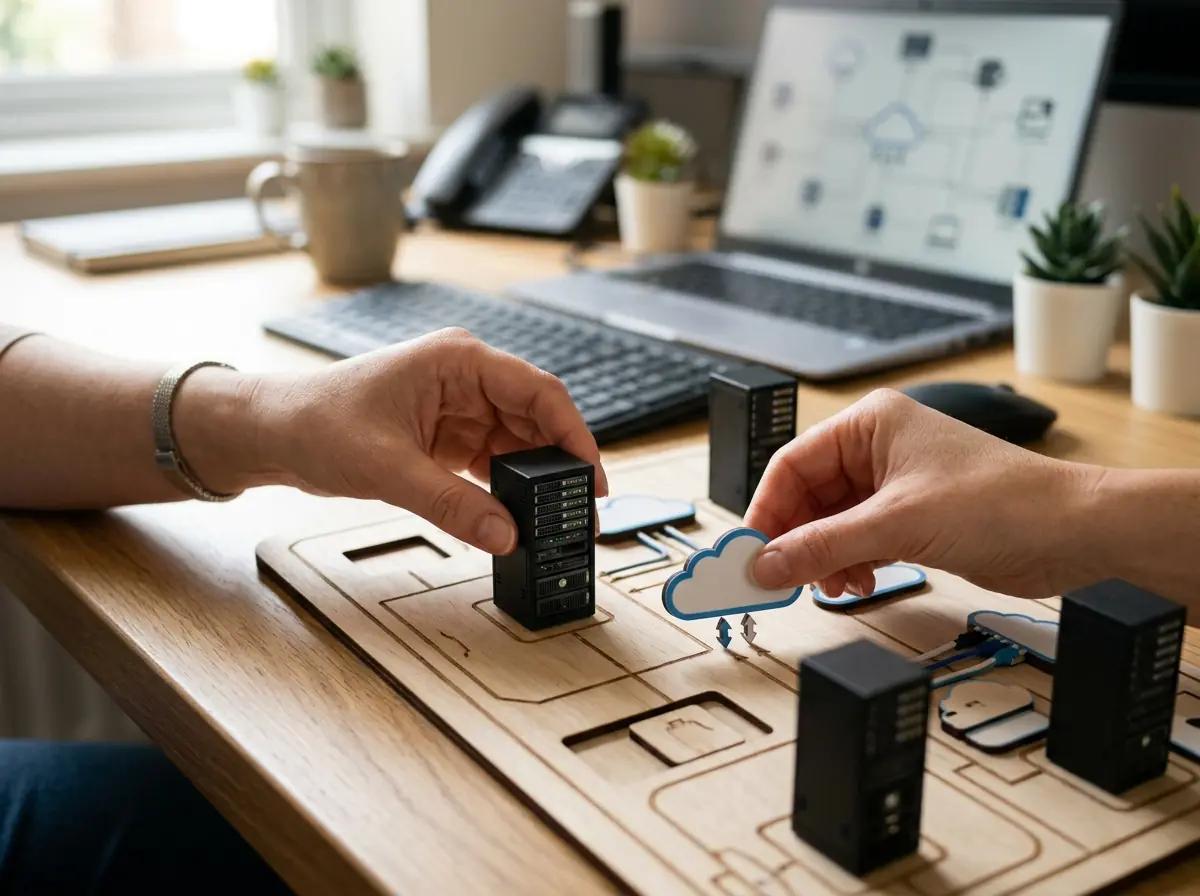
Most of the expensive problems in a growing store are not on the storefront. They are in the connections: inventory that does not sync, orders that do not reach the warehouse, prices that differ between the ERP and the product page.
We design integrations to be boring in the best way: predictable, logged and easy to fix when a third-party system changes underneath them.
Built To Be Maintained
Launch day is the first version. A store keeps changing: new products, new apps, platform updates and the next campaign. Code that only its author understands becomes a liability the day that person moves on.
So the work is documented, follows each platform's conventions and is built to be maintained, by us or by your own team.
How A Build Runs
Most development overruns are scoping failures. The first step is the one that protects the budget.
- Step 1
Scope
Requirements, integrations, data and edge cases written down before any estimate is final.
- Step 2
Architect
Platform, apps and custom code chosen to fit the business, with the integrations designed up front.
- Step 3
Build & Test
Development in a staging environment, tested against real products, real orders and real data.
- Step 4
Launch & Support
A planned cutover with redirects verified, then monitoring and fixes as the store goes live.
Common Questions
Shopify, BigCommerce, WooCommerce or Magento: which is right for us?
Can you migrate our store without losing search rankings?
Do you take over stores built by another agency?
Can you connect our store to our ERP or warehouse system?
Do you offer support after launch?
Related Expertise
Ready To Scale?
Whether you need an enterprise eCommerce overhaul or a managed AI website for your business, let's build something that drives revenue.